Shipped from the EU
Most products we sell are considered Class 1 laser safe in accordance with the laser safety classification referenced in EN 60825-1:2014/A11:2021. However, some configurations with other products do cause them to fall under Class 4 instead. Below you will find more information about what the difference is and what to take into account when purchasing such products.
Class 1 lasers are the safest classification available for consumer use. This means that all lasers of class 1 contain the laser radiation within the machine itself and the enclosure can resist direct exposure from the laser beam for an extended period of time.
Any lid is also made of specific materials, coloured in a certain way or coated for specific use to block out any laser radiation as well.
These lasers also have interlocking mechanisms that will automatically disable the laser when the lid is opened.
All of this allows the lasers to be used without requiring the use of laser goggles and removes the need for any additional training to use the machines. Users must still follow general safety instructions.
Even with all of these measures in place it is still important to keep the following in mind:
When exposed directly, Class 4 lasers can induce severe eye and skin injuries due to direct or scattered light when used without the correct protective measures such as eyewear and clothing. In addition to this, these lasers also pose a fire hazard when used incorrectly or with the wrong type of materials, which includes materials that release toxic fumes when cut. Due to the risks associated with Class 4 lasers, it is necessary to have the appropriate laser expertise or certification before operating a Class 4 laser cutter, depending on local regulations.
Some guidance on what to look out for:
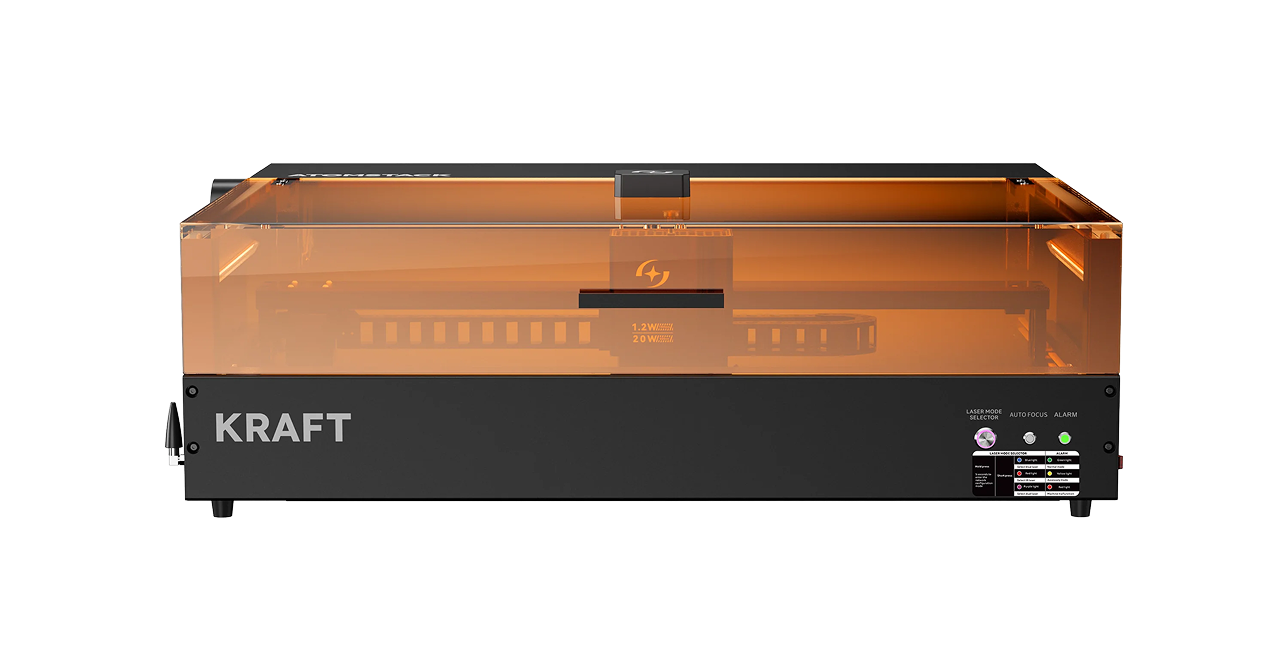
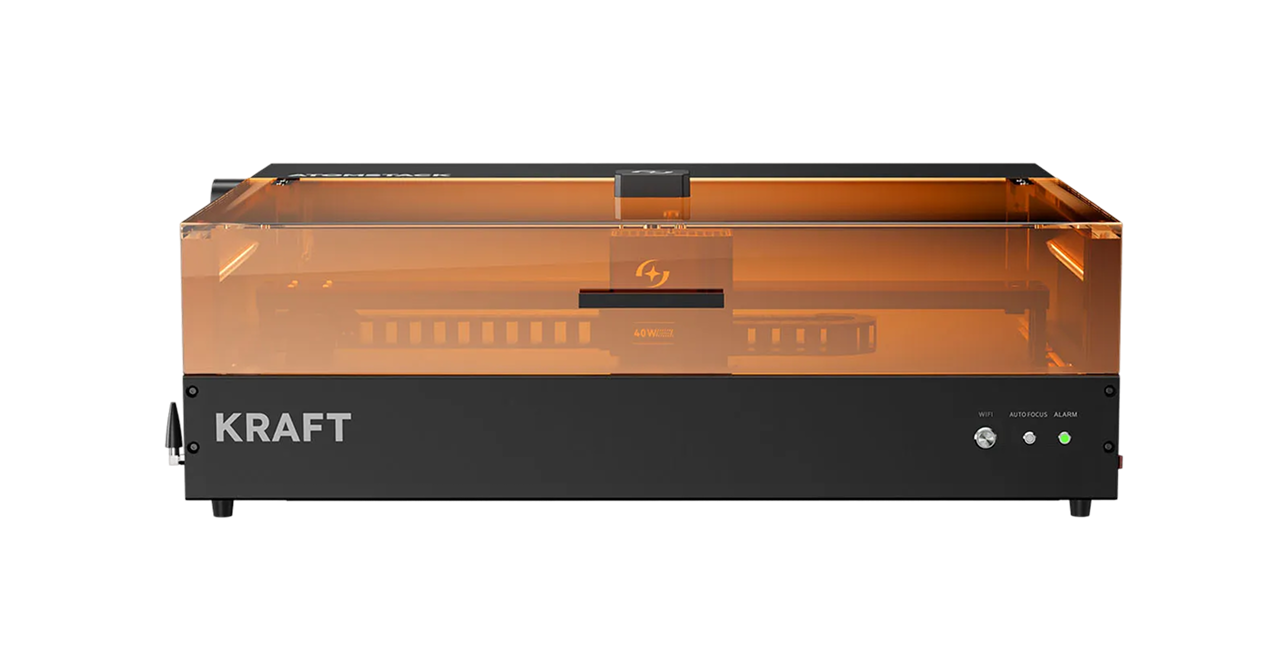
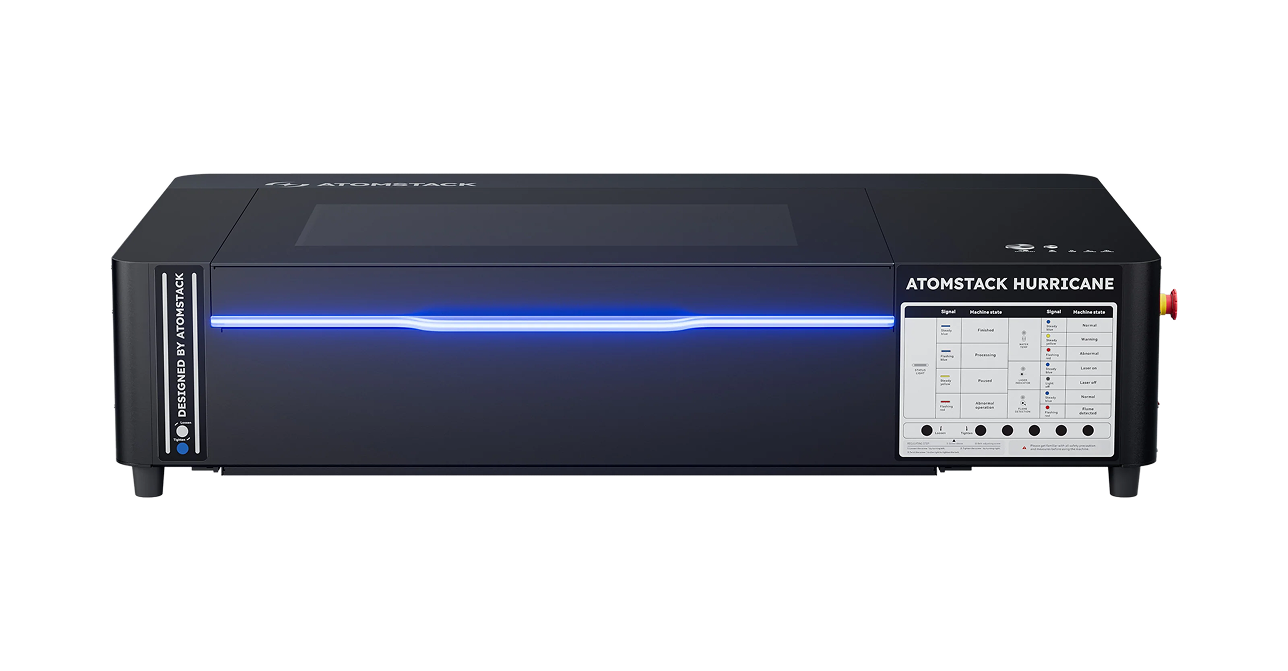
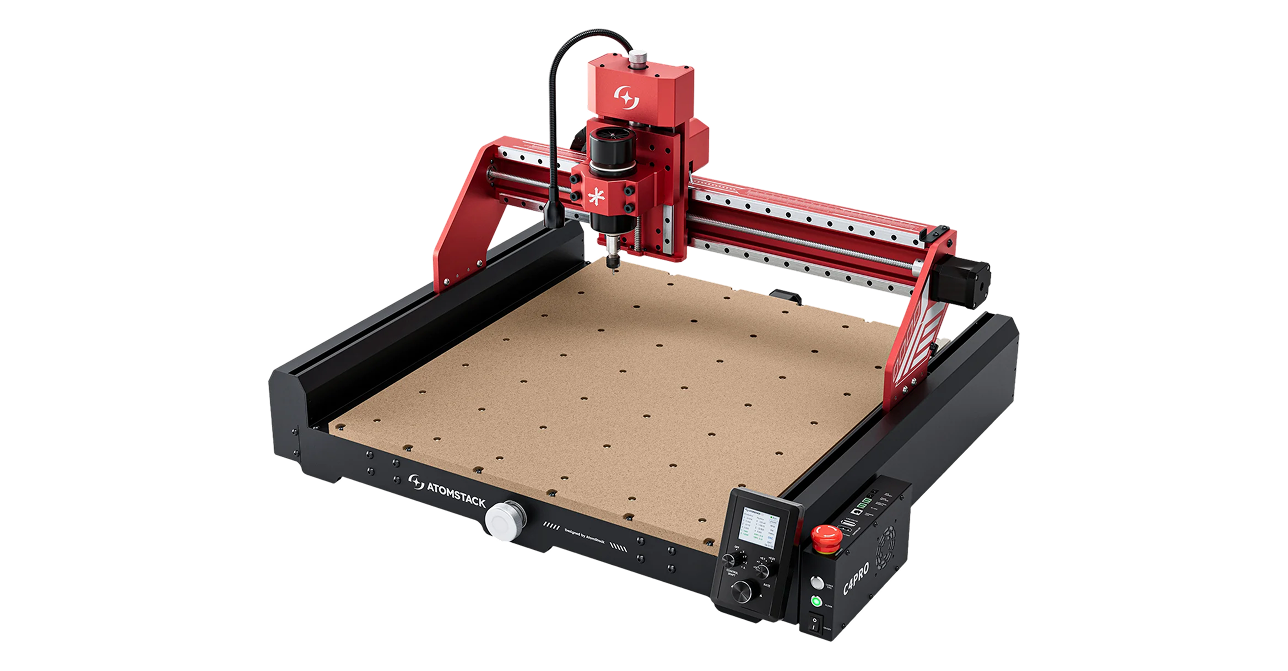
Currently the following products from our sold range are listed as Class 4 (This is subject to change in the future):
*Open configuration: The riser base has panels that can be removed to open it up for use with the conveyor feeder or larger materials.